 (973) 304-0500
Conquer frozen ground for Construction Excavating in NJ: Use site insulation, ground thawing, frost rippers, and proactive spoil management for winter efficiency.
When winter comes to New Jersey, construction doesn’t stop, but the ground does get harder. One of the hardest things for any contractor doing construction excavating in NJ is dealing with frozen ground. It’s not just hard to dig into frozen ground; it’s also slower, more expensive, and puts a lot of stress on equipment, which makes it more likely that it will break down and cause project delays.
However, if you plan carefully, use the right tools, and use the right methods, you can successfully manage winter excavation and stay on schedule with your project. Getting your site and equipment ready before the deep freeze hits is the best way to cut down on downtime and boost profits during the coldest months.
Getting Ready for Winter and Protecting Your Site
The best way to dig in frozen ground is to keep the ground from freezing too deeply in the first place. For winter projects, you have to do site preparation ahead of time.
- Insulation: Before frost starts to get in, cover the areas that will be dug right away (footings, utility trenches) with thick insulating materials. Foam insulation blankets, straw bales, and heavy tarps are examples of things that keep the heat in the soil so it doesn’t freeze too deeply.
- Drainage: Make sure the site has good drainage. Soil that is wet freezes faster and harder than soil that is dry. Grade the site so that water flows away from the areas where you are digging, and get rid of any standing water before the first big freeze.
Keep the areas where you are digging clear of snow. Snow is a good insulator, but when it melts and refreezes, it makes a thick layer of ice and concrete-like soil that is very hard to get through.
By getting ready for frost depth, you make it much easier to excavate for construction in New Jersey later on.
Call RFC Excavating & Landscape Construction at (973) 304-0500 for more information!
Using Techniques for Thawing the Ground
Controlled thawing is necessary when prevention isn’t enough or when a site needs immediate access. Ground thawing is a useful but intentional process that needs to be watched closely.
Hydronic heating is the most common and best way to heat a home. It uses portable hoses or blankets that are laid directly on the ground to move heated fluid (water or glycol) around. These systems can thaw the ground to the right depth for footings in just a few days.
Thermal Blankets: Electric or fuel-fired thermal blankets are not as good at deep thawing, but they do provide heat to small, contained areas to keep shallow frost from forming and keep small, isolated areas ready for work.
Thawing makes the soil easier to dig and brings the moisture level back to a level that can be handled, which is important for compaction and backfilling later.
Getting Ready for Frozen Excavation
If you have to dig mechanically, your tools must be able to handle the extra stress of frozen ground.
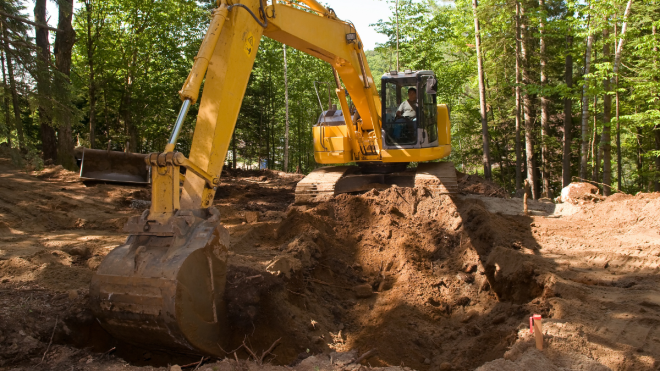
- Specialized Attachments: Standard buckets don’t work well enough. Put heavy-duty frost rippers or ground breakers on your excavators. A frost ripper has a single, hardened steel shank that cuts through the frozen layer and breaks it up into smaller pieces that can be easily removed with the bucket. Hydraulic hammers, also known as breakers, work very well for breaking up rock and soil that is very frozen.
- Taking care of machines: Cold weather puts a lot of stress on engines, hydraulic lines, and seals. Use fluids that are safe for cold weather, like hydraulic fluid, diesel fuel, and engine oil. Also, give the machines enough time to warm up. This maintenance is important to keep things from breaking down in the winter, which can be expensive.
Did you know?
In New Jersey, the frost line, which is the deepest point where soil moisture freezes, is usually between 32 and 48 inches (80 cm and 120 cm). This means that foundations and utility lines must be put in below this depth to stop them from shifting and heaving.
Don’t let the cold weather in New Jersey stop your construction work.
Call RFC Excavating & Landscape Construction at (973) 304-0500 for a consultation on expert construction excavating NJ and site preparation services this winter.
Frequently Asked Questions
Can frozen soil be safely used as backfill material?
No, frozen soil should never be used as structural backfill. When the frozen chunks thaw, they release trapped moisture, causing voids and uneven settlement that compromises the integrity and stability of foundations, utilities, or grading. Proper backfilling requires dry, granular, or unfrozen native material that can be compacted to the required density immediately.
How much does ground thawing add to the cost of an excavation project?
The cost of ground thawing techniques varies significantly based on the depth required, the size of the area, and the duration of heating. While it adds a line-item expense (for fuel, labor, and blanket rental), this cost is usually offset by the faster digging time, reduced wear and tear on heavy equipment (like broken teeth or hydraulic strain), and significantly lower risk of project delays and change orders related to frozen ground.