 (973) 304-0500

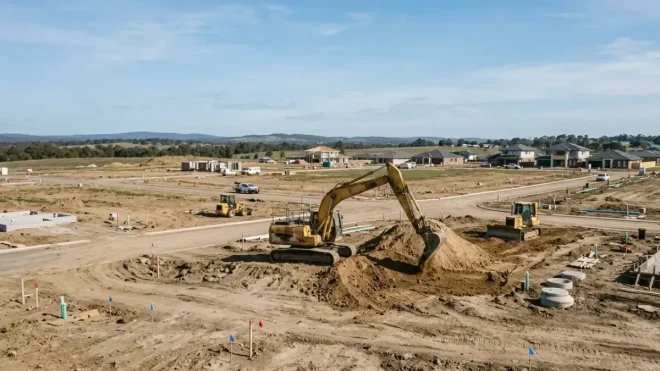
Excavation is one of the essential initial stages of development of land lots used for construction of buildings, driveways, installation of drainage systems and other improvements. Whether you plan to develop vacant lots, expand existing land plots, or construct new structures on the property, excavating will set the required groundwork.
Knowledge about this procedure and its importance in the process of development will be useful for making the right decisions and organizing the construction process effectively.
Why Construction Excavation Is Important During the Process of Development of Property
Before construction workers will start installing foundations and other structures on the site, the property needs to be evaluated and prepared for future construction work.
Uneven topography, obstacles in the soil, improper soil types, drainage problems can negatively affect the construction work if they will not be solved during the preparatory stage.
Construction excavation makes it possible to change the existing land conditions and make them suitable for future development.
What Is Construction Excavation?
Construction excavation means removal, relocation, or re-shaping of earth materials in order to prepare the property for further construction or installation of various infrastructure.
This kind of work can be carried out on both small residential projects and big commercial developments.
Excavation is not only digging a hole. It presupposes the ability to understand the plans of future construction and existing land conditions.
Types of Excavation Work That Are Often Used
There are different types of excavation that are used for different construction projects.
Foundation excavation is the type of work that creates holes for footings, basements and other components of structure.
Trench excavation means creation of narrow openings for underground utilities, drainage lines, etc.
Grading and earthmoving are used to adjust ground elevation according to the plans of construction and appropriate surface drainage.
Sometimes, it is necessary to remove improper soil or other obstacles in order to continue the construction.
The method of excavation depends on the conditions of the land plot and requirements established by the project design.
Important Features of Professional Excavation Services
Professional excavation involves the use of different types of construction equipment, careful planning of construction and cooperation with the other specialists.
There are several main aspects of the successful excavation.
Site Evaluation and Planning
Before starting the work, construction contractors analyze the existing plans, conditions of the property, limits of access and scope of future works.
It helps to identify the problems related to the slopes, existing constructions, or underground utilities.
Proper Selection of Equipment
Excavators, loaders, skid steers, and other equipment perform different tasks.
Their selection depends on the excavation depth, available working space, soil conditions, and materials handling.
Elevations and Grades Control
It is important to know accurate elevations in case of preparations for foundations, driveways, and drainage areas.
The work needs to be performed according to the specified grades, not according to the visual estimation.
Materials Handling
The excavated soil can be moved, stockpiled, recycled, or transported away from the site.
The proper handling of materials helps to keep a safer and better organized work environment.
How Land Clearing Services Can Help during Excavation
Many development projects require land clearing before the beginning of earth moving.
The services of land clearing help to clear the surface of vegetation, brush, and other obstacles from the area of future construction.
Depending on the specific conditions of the land plot, clearing can include removal of small trees, roots, stumps, and accumulated debris.
Not always the clearing is needed in great volumes. For instance, property that includes existing landscaping or structures requires clearing of selective areas only.
The clearing should be performed in accordance with the approved plans and local regulations, especially if there are some protected trees, wetlands, or environmental restrictions.
After clearing the required areas, the work of excavation crews can be started.
Benefits for Property Owners from Using Professional Excavation Services
Professional excavation provides many practical advantages during the process of development.
The greatest advantage is the creation of proper site conditions before the beginning of the construction.
Besides this, the following advantages can be named:
- improved construction readiness;
- appropriate planning of drainage;
- reduction of construction conflicts;
- more effective scheduling;
- proper materials handling;
- improved site accessibility.
The mentioned advantages depend on the proper planning, conditions of the land plot, and coordination with construction designers.
Excavation itself cannot guarantee the proper performance of structures, but it is an important stage of their preparation.
Where Construction Excavating Is Used
Excavation is used in many residential and commercial construction projects.
Residential Property Development
Construction of houses requires excavation of foundations, basements, utility lines, driveways and other elements.
Property additions may require excavation near existing structures. In this case, special attention to the planning is required.
Commercial Construction
Commercial projects usually require a greater volume of excavation, grading and installation of utilities.
Attention to the access for equipment and construction vehicles, storing of materials is also required.
Drainage and Utility Installation
Drainage pipes, water lines and other utility lines often require trench excavation.
This work should take into account the existing utilities, necessary depth and proper backfilling.
Landscape Construction
Excavation is also required for construction of retaining walls, patios, outdoor living areas and landscape construction in general.
In this case, proper grading allows the new structures to the existing property.
Sequence of Excavation
Understanding of the usual sequence of excavation will help the property owners to better understand how this work fits into the construction schedule.
Step 1. Reviewing Plans and Site Conditions
The first step includes review of construction plans, existing conditions of the property and area that needs to be excavated.
Depending on the specifics of the project, there can be surveys, soil evaluation, permits and other documents.
Step 2. Identification of the Underground Utilities
The existing underground utilities should be determined before digging.
In New Jersey, there are the requirements for notifying underground utilities. In New Jersey, the law requires contacting the company New Jersey One Call before the excavation.
Sometimes it is necessary to use locating services in order to find private utility lines that are not identified using a public system of notifications.
Step 3. Clearing and Preparation of Access
The clearing of vegetation and other obstacles can be required.
In addition, the access for equipment and places for material storage should be prepared.
Step 4. Excavation and Removal/Relocation of Soil
The crews will remove or relocate earth according to the specified dimensions and elevations.
Soil conditions, groundwater and weather can affect the excavation process.
Step 5. Grading of Excavated Area
The excavated area will be graded to the project requirements.
Depending on the specifics of the task, there can be suitable fill, compaction of soil and other preparations for further construction.
Step 6. Inspection of the Finished Earthwork
Before starting the next construction phase, the elevations, dimensions of the excavation and other specified conditions should be checked.
There can also be performed inspection and approval by engineers and authorities.
Did You Know?
The planning of excavation is usually done before the arrival of the equipment. Surveys, soil and utilities information and construction plans can affect the earthmoving work.
Why It Is Better to Choose Professional Services of Construction Excavating Contractors?
Excavation includes not only the work of equipment operators.
There are changing conditions of the ground, infrastructure of the property, its borders and construction schedule.
Professional site prep contractors understand the importance of compliance with the specifications of the project and cooperation with the other specialists.
In addition, they will explain to the property owners important issues of the equipment access, materials handling and the sequence of work of the preparatory crew.
During the development of the property, it is necessary to choose the excavation contractor with necessary experience in this field in order to organize the process of work in a more organized manner.
RFC Excavating & Landscape Construction provides a contact person for discussion of excavation and landscape construction services.
Looking for Construction Excavating Services for Your Property?
If you plan construction, site improvement, or landscape development, you will be able to benefit from discussing the requirements of excavation in advance.
In order to get an estimate, it will be useful to collect available plans, information about the property and general description of the proposed works.
The gathered information will help the contractor to understand the project and find out necessary details.
When You Need to Contact a Professional?
It is necessary to contact the excavation contractor in the initial planning stage of the development, preferably before finalization of construction schedule.
The contacts in the early stages of planning will help to solve the issues of access, clearing, quantity of earthmoving materials and coordination.
If your project includes foundations, steep slopes, retaining structures or drainage, it is necessary to have the consultation of an engineer.
Conclusion
The construction excavation is the fundamental part of the process of preparation of the land for development.
Various kinds of excavation like foundation excavation, utility trenches, or grading are used to create the necessary conditions for further construction work.
The properly planned excavation includes consideration of the conditions of the site, equipment access, drainage, materials handling and compliance with the specifications.
It helps the property owners to understand the process of construction better.
Please contact RFC Excavating & Landscape Construction at (973) 304-0500 to discuss your needs of construction excavating and learn more about property preparation.
What is the purpose of excavation in property development?
Excavation prepares the ground for construction by removing or relocating soil, creating foundation areas, installing utility trenches, and establishing required elevations. It helps transform existing property conditions into a site that meets the project’s design requirements. Proper excavation also supports coordination between grading, drainage, foundation, and infrastructure work.
What is the difference between land clearing and construction excavating?
Land clearing focuses on removing vegetation, brush, trees, stumps, and other surface obstacles from designated work areas. Construction excavating involves digging, moving soil, and adjusting ground elevations. Clearing often happens before excavation, although the exact sequence depends on the property’s existing conditions and the proposed development.
How long does a construction excavation project take?
Excavation timelines vary according to project size, excavation depth, soil conditions, weather, equipment access, and required inspections. A relatively small residential project may take considerably less time than extensive commercial site preparation. Contractors can provide a more realistic schedule after reviewing the site and understanding the proposed work.
Does construction excavating require permits in New Jersey?
Permit requirements depend on the municipality and the nature of the excavation. Projects involving grading changes, drainage systems, foundations, or environmentally sensitive areas may require specific approvals. Underground utility notification requirements also apply. Property owners should consult their municipality and qualified project professionals before beginning work.
Can excavation help address drainage problems on a property?
Excavation and grading can support drainage improvements by reshaping ground elevations or preparing trenches for drainage infrastructure. However, the appropriate solution depends on the source of the water problem, soil conditions, and site design. Significant drainage changes may require engineering plans, permits, or coordination with neighboring property conditions.
What should property owners prepare before hiring an excavation contractor?
Property owners should gather available surveys, construction plans, property access information, and details about the proposed improvements. It is also helpful to identify existing structures, visible drainage concerns, and any known underground utilities. Providing this information allows contractors to discuss the scope of work and prepare a more informed estimate.